Architectural Design Offerings: Designing Spaces That Captivate and Serve
Architectural design services are essential for creating spaces that seamlessly blend inspiration with functionality. By evaluating user demands and the specific purpose of every area, architects design forward-thinking layouts that elevate both flow and accessibility. Their focus on aesthetics and sustainability guarantees designs meet modern environmental standards. However, the challenge lies in balancing creativity with practicality. What strategies do architects employ to achieve this harmony? The response may uncover profound perspectives on the field.
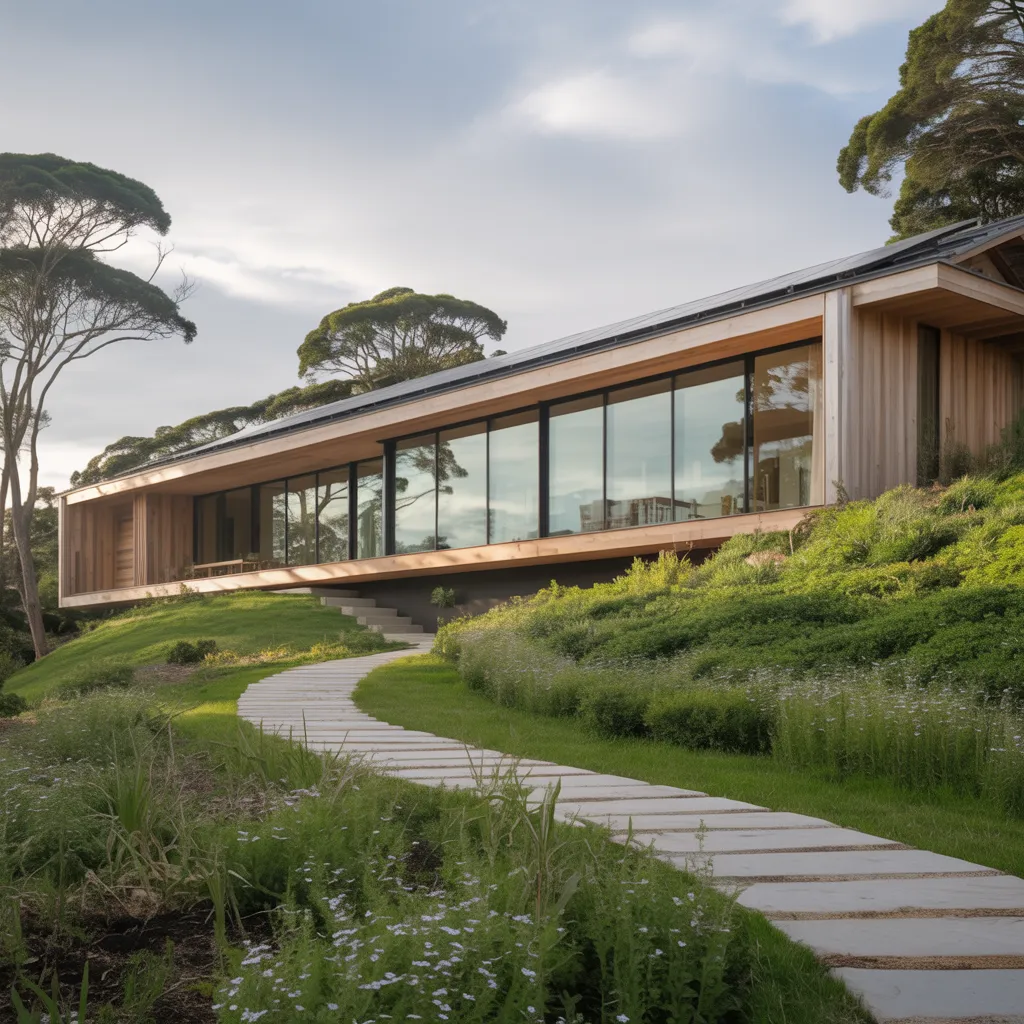
How Architects Contribute to Enhancing Space Functionality
Architects reimagine spaces by thoroughly evaluating how usability can be optimized through thoughtful design. Their primary objective involves comprehending user requirements and the defined uses of an area. By performing detailed analyses, architects identify potential challenges and opportunities within environments. They assess aspects like flow, accessibility, and spatial relationships to craft arrangements that enhance performance.
Utilizing advanced tools and techniques, architects integrate creative approaches that optimize space usage. This involves the strategic arrangement of partitions, furnishings, and walkways to support movement and interaction. Moreover, they customize designs to accommodate various activities, guaranteeing that every space performs its planned role with precision.
Partnership with clients and project stakeholders additionally shapes architectural decisions, enabling architecture professionals to craft solutions that address the needs of users. In the end, their expertise not only enhances the practical aspects of a space but also promotes a harmonious and productive atmosphere.
In What Ways Does Aesthetic Design Impact User Experience?
Visual design plays an important role in defining the user experience, complementing the functionality created by careful architectural planning. It determines how users understand and navigate a space, inspiring feelings that can enhance overall satisfaction. A carefully developed aesthetic can establish a welcoming atmosphere, motivating users to interact more meaningfully with their space.
Aspects such as color, texture, and form collaborate to produce visual cohesion, fostering a perception of warmth and inclusion. For instance, abundant light and spacious layouts can contribute to a perception of calm, while bold colors may energize and inspire creativity. Furthermore, an aesthetically pleasing design can elevate brand perception, making spaces memorable and encouraging repeat visits.
Fundamentally, the integration of aesthetic principles not only improves the visual experience but also profoundly shapes individuals' psychological and emotional reactions, underscoring the vital bond between aesthetics and practicality in architectural design.
Integrating Sustainability into Architecture
Embedding sustainability within architecture is critical for confronting environmental challenges. This involves the deliberate use of sustainable materials, the application of energy-efficient design methods, and the achievement of green building certifications. These factors not only improve the ecological impact of a project but also support long-term economic sustainability.
Environmentally Conscious Materials Selection
As the demand for creative architectural solutions keeps growing, the adoption of sustainable materials has become critical in minimizing the impact on the environment. Architects increasingly prioritize materials that are recyclable, locally sourced, and renewable. This strategy not only reduces the carbon footprint associated with transport but also supports local economies. Sustainable options including bamboo, reclaimed wood, and recycled metals are rising in demand for their long-lasting nature and visual appeal. Furthermore, the incorporation of low-VOC paints and surface treatments contributes to improved indoor air quality. By embedding eco-friendly materials into their architectural plans, architects can develop areas that are simultaneously practical and inspiring but also mindful of the environment, cultivating a sustainability-focused culture within the constructed environment.
Eco-Friendly Design Approaches
The incorporation of sustainable materials effectively enhances sustainable design methods in building design. Such methods prioritize lowering energy demands while enhancing occupant comfort. Architects frequently highlight passive solar design principles, maximizing natural light and ventilation to decrease the need for artificial support systems. The careful arrangement of windows, shading features, and thermal mass can considerably decrease the need for heating and cooling. Moreover, integrating superior insulation and energy-efficient HVAC systems guarantees that buildings maintain ideal temperatures with minimal energy expenditure. Utilizing renewable energy sources, such as solar panels, additionally enhances a structure's overall sustainability. At its core, energy-conscious architectural methods not only minimize environmental harm but also support enduring economic advantages, reflecting the increasing need for responsible and innovative architectural approaches.
Sustainable Building Certifications
As the demand for sustainable architecture increases, green building certifications have established themselves as key benchmarks for measuring environmental impact. These certifications, such as LEED, BREEAM, and the Living Building Challenge, provide structured frameworks for appraising energy efficiency, water conservation, and materials sustainability. They inspire architects to embrace forward-thinking design strategies that reduce environmental impact while improving occupant well-being. By fulfilling demanding requirements, projects not only attain recognition but also establish a competitive position in the market. Furthermore, green certifications often lead to long-term cost savings through reduced energy consumption and operational efficiency. At their core, these certifications function as a directing framework for architects seeking to develop spaces that are both efficient and environmentally responsible, supporting a more sustainable future in the built environment.
How to Turn Your Architectural Ideas Into Reality
Transforming architectural ideas into tangible structures necessitates a well-organized process that merges creative vision with technical proficiency. The opening stage focuses on extensive research and ideation, in which architects draw inspiration from diverse influences, including nature, culture, and technology. This stage typically incorporates hand-drawn sketches and digital representations to bring concepts to life.
After this step, working closely with stakeholders, engineers, and contractors is vital to ensure feasibility and refine ideas. Developing thorough blueprints and technical specifications allows for exact execution during the construction phase. Architects are also required to navigate local zoning laws and building codes, ensuring conformity with applicable regulations.
Throughout the process, effective communication is essential. Frequent updates and collaborative feedback with everyone involved encourage cohesion and tackle potential concerns before they escalate. Ultimately, the construction phase transforms the vision into reality, demanding continuous supervision to preserve design integrity. By integrating creativity with structured methodologies, architects can successfully transform their innovative ideas into functional and inspiring spaces.
How to Achieve Balance Between Creativity and Functionality in Architectural Design
Achieving a balance between creativity and functionality in architectural design necessitates a precise blending of aesthetic appeal and practical utility. Architects are required to pursue inventive strategies that make the most of space while maintaining a visually captivating design. This balance is crucial for producing structures that are not only visually stunning but also fulfill their intended function efficiently.
Blending Form and Function
Striking a balance between aesthetic appeal and utility is crucial in the field of architecture. Designers must consider how design features can improve usability while guaranteeing that spaces fulfill their designated functions. Maintaining this harmony necessitates a deliberate strategy, merging structural elements, tones, and patterns that correspond to the setting and the needs of those who inhabit the space.
Functional considerations, such as accessibility, layout, and sustainability, should shape creative selections, keeping functionality at the forefront of design. Additionally, meaningful engagement with clients and project stakeholders enables architects to harmonize artistic concepts with real-world demands. By balancing aesthetics with practicality, architects design environments that captivate while meeting everyday needs. At its core, outstanding architectural achievement stems from a perfect marriage of artistic intent and structural purpose, producing spaces that are simultaneously captivating and functional.
Advanced Solutions for Space
Within the realm of architectural design, creative approaches to spatial design stand as a critical factor in uniting artistic expression with functional purpose. Thoughtful design necessitates a thorough understanding of user needs and environmental context, enabling architects to craft spaces that are both aesthetically striking and operationally efficient. By embracing advanced technologies, eco-friendly materials, and flexible configurations, designers can optimize space usage while enhancing aesthetic appeal. Partnerships with clients and diverse professional groups consistently confirm that diverse perspectives contribute to thoughtful solutions. This balance not only elevates the user experience but also cultivates a stronger relationship between constructed spaces and their users. At its core, the craft of architectural design resides in its power to translate creative concepts into real, purposeful environments.
Emerging Trends in Architectural Design Services
New developments in sustainable technology are redefining the landscape of architectural design services. Modern architects are incorporating smart technologies into their architectural solutions, employing data-driven analytics and automation to optimize functionality and effectiveness. BIM technology has emerged as an industry standard, facilitating precise visualization and collaboration throughout the project lifecycle.
Green design methodologies are steadily rising in importance, with designers emphasizing the use of energy-saving materials and sustainable energy solutions. The growing trend of biophilic design highlights the relationship between the natural world and constructed spaces, fostering improved health and enhanced efficiency.
Moreover, flexible and adaptive spaces are in demand, addressing shifting requirements and contemporary ways of living. The increasing adoption of remote work has transformed residential and commercial architectural approaches, giving rise to versatile spaces that emphasize both functionality and comfort. Taken together, these trends underscore a strong commitment to innovative, sustainable, and user-focused design in present-day architectural endeavors.
Picking the Perfect Architectural Service for Your Project
Given the increasing focus on forward-thinking and environmentally responsible design methods, identifying the ideal architectural service has become progressively essential for clients. This selection profoundly affects the practicality, aesthetics, and overall achievement of a project. Clients are advised to initially examine their unique needs, spanning residential, commercial, or institutional categories. Understanding the scope of the project allows for better alignment with architectural firms that specialize in those areas.
Next, assessing the agency's portfolio is important. A broad range of completed projects can indicate adaptability and innovation. It is also essential to take into account the company's approach to sustainability, as eco-friendly practices are increasingly expected.
Additionally, communication style and responsiveness are important factors to consider. Building a collaborative relationship can lead to improved results. Lastly, looking into client testimonials and pursuing recommendations can deliver useful information about reliability and the quality of service, allowing clients to make well-informed decisions that are suited to their specific needs.
Answers to Your Most Common Questions
What Qualifications Should I Look for in an Architect?
When choosing an architect, one ought to focus on qualifications such as a degree in a relevant field, professional licensure, experience helpful resource in desired project types, excellent communication abilities, innovative thinking, and a portfolio that reflects work aligned with your personal vision.
What Is the Typical Duration of the Architectural Design Process?
The architectural design process typically takes several months, varying based on the complexity and scope of the project. Aspects like design revisions, client feedback, and regulatory approvals can considerably affect the completion and overall timeline.
What Are the Common Project Delivery Methods in Architecture?
Widely used approaches to project delivery in architecture include Design-Build, Design-Bid-Build, Integrated Project Delivery, and Construction Management at Risk. Each of these methods presents unique benefits, affecting costs, timelines, and stakeholder collaboration throughout the project's lifecycle.
How Do Architects Navigate Zoning and Building Codes?
Architecture professionals manage zoning and building codes by conducting thorough research, working closely with local authorities, and following established regulations. They ensure that designs meet legal requirements while enhancing functionality and aesthetics suited to the intended purpose of the space.
Can Architects Assist With Interior Design as Well?
Certainly, architects are equipped to handle interior design. Their expertise allows them to create harmonious environments that merge functionality and aesthetics, guaranteeing spaces not only satisfy structural requirements but also reflect the intended style and character.